

You don’t have to sort it
Send the lot: complete runs, water-damaged singles, the ones you can’t identify. Working out what matters is our job.
ADArchive intake · Donate · Lend · Consign · Sell
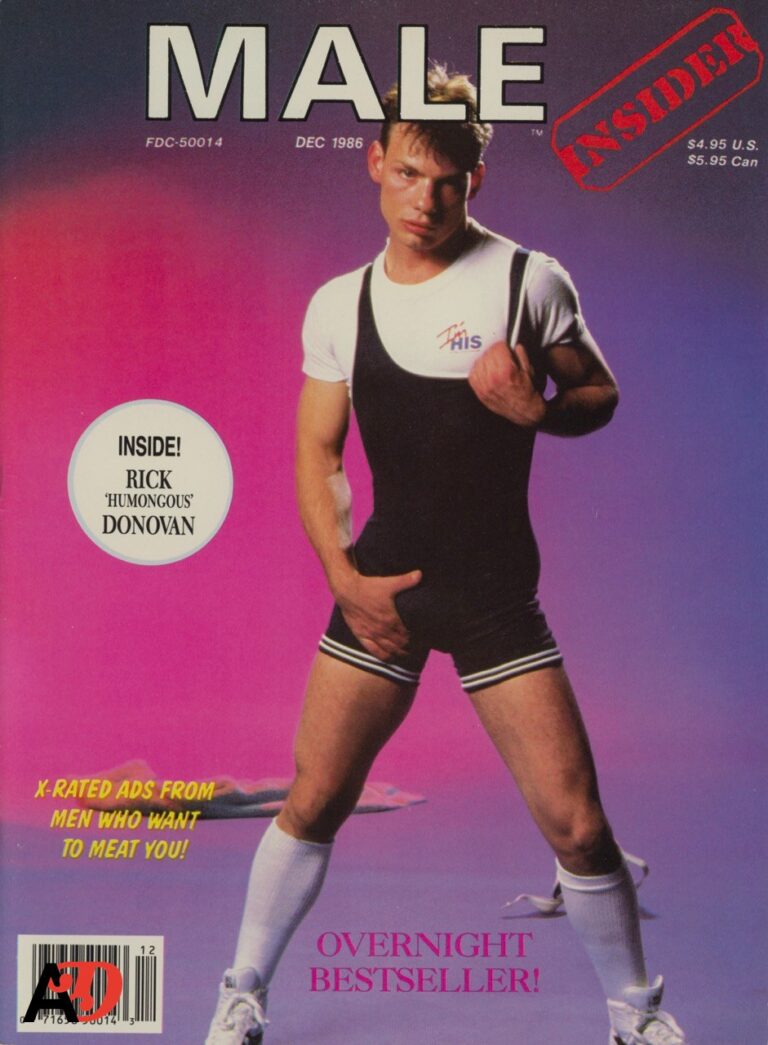
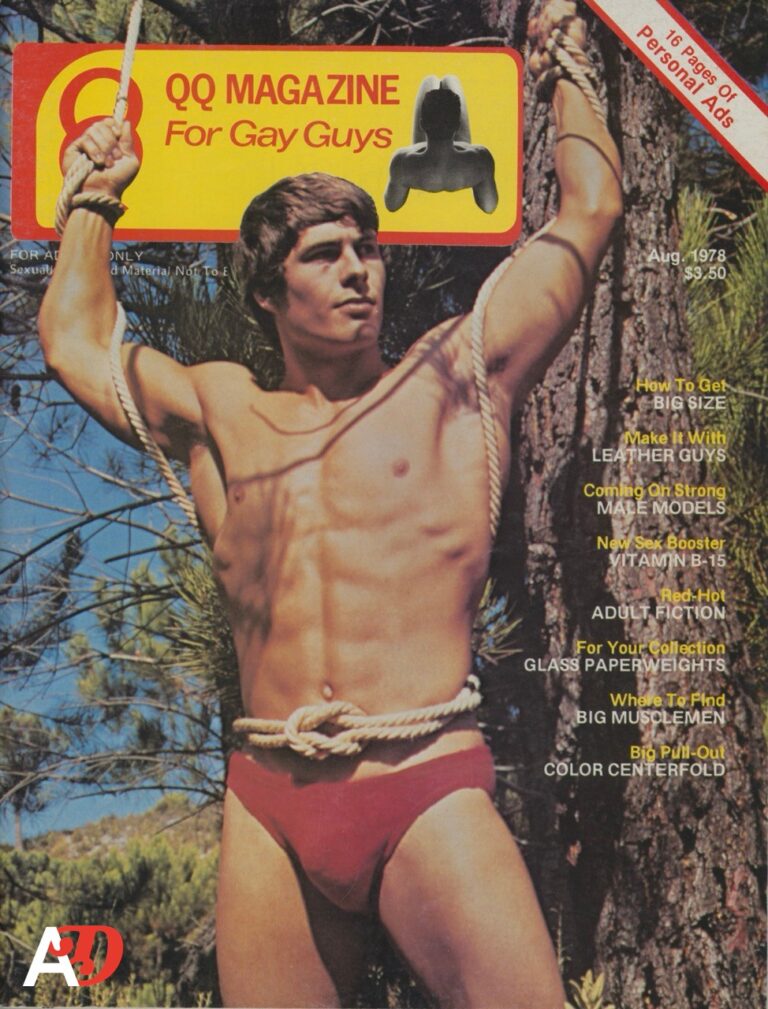
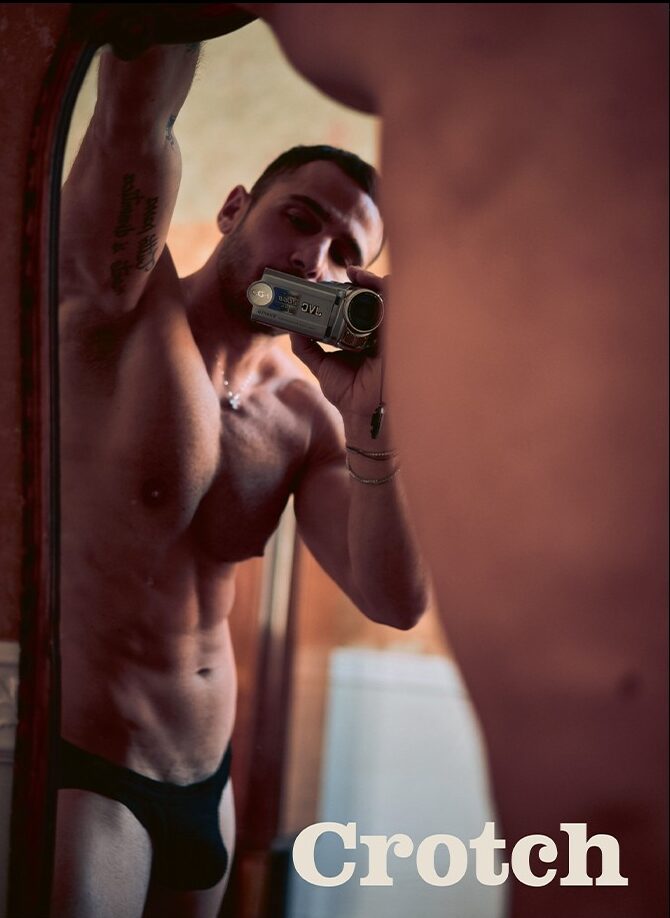
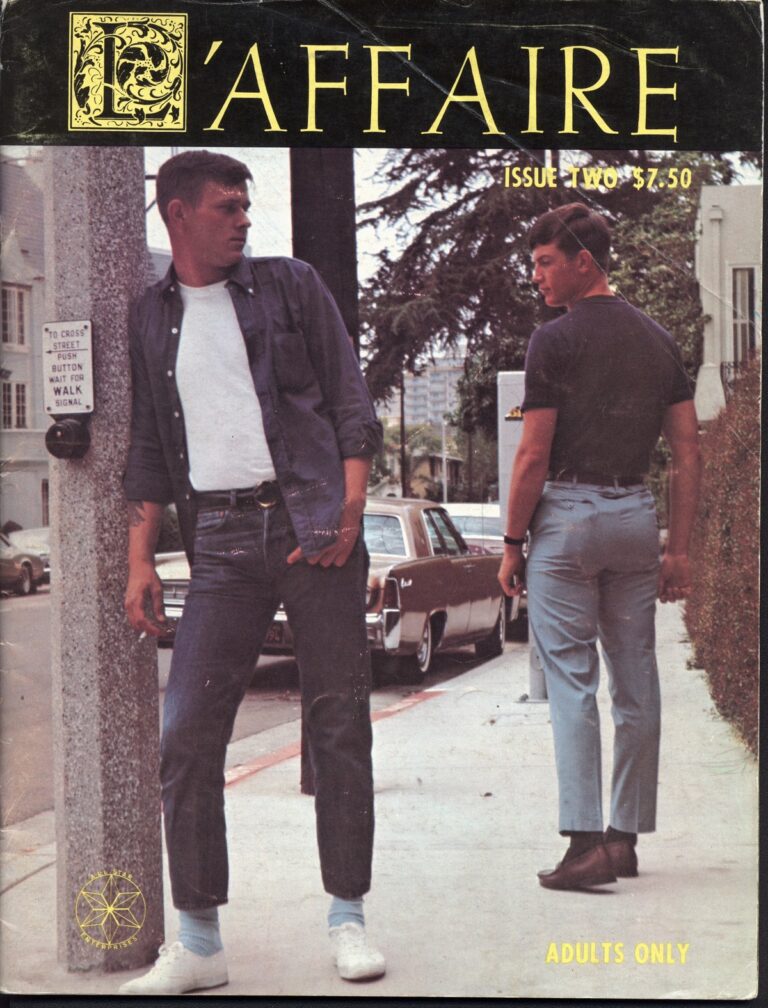
Your collection was made to be passed around, not packed away. However it comes to us, it gets photographed page by page and put back in front of people. Credited, kept together, and seen.
01Why give it to the archive
Drag the line.
In the closet
In the archive
02Why people send it here
Send the lot: complete runs, water-damaged singles, the ones you can’t identify. Working out what matters is our job.
No names on anything unless you want them there. Plain packaging, private handling, and we never say publicly where a collection came from.
This is history to us. It’s photographed with the care a museum gives a first edition, and described in plain, unashamed language.
Not three hundred listings. No photographing, packing and posting every issue yourself. One email and one decision.
Lend it to us. We photograph it and it comes home insured. The archive gains the issues and you lose nothing.
Queer owned, queer run, and open to the people it was made for.
03Four ways in
You don’t have to decide now. “Not sure yet” is an option on the form.
Kept forever
You keep it
Paid as it sells
Paid up front
04How it works
You can stop at any point before it ships.
A few questions on the form. Rough numbers are fine. Photos help but aren’t required.
Donate, lend, consign or sell. You choose, in writing, before anything moves.
We send packing instructions and cover shipping on gifts. For large collections we come and collect in person.
Cover to cover, by hand, at full quality. Nothing trimmed, nothing skipped.
The issue becomes readable in the Reading Room. Donated copies are catalogued under your name and kept permanently.
05Our promise, in writing
Nothing given to the archive is sold, parted out, traded or auctioned. Not by us, and not by whoever comes after us.
Your collection is catalogued as one named collection. It doesn’t get broken up and scattered.
Every page is photographed and the files are kept in more than one place. If the paper is lost, the issue still exists.
If Archive Daddy ever closes or changes hands, the collection and files pass to queer non-profit archives. Never to a private buyer, never to auction.
It goes out on loan to universities, libraries, museums and queer non-profits for exhibitions and research, and it comes back.
Files are kept in open, ordinary formats anyone can still open in fifty years.
Every one of these is repeated in the Deed of Gift you sign. A document you hold, not a line on a website. Read the Deed of Gift →
06What we’re looking for
Ten questions, most of them optional. A person reads every one of these and answers within two business days.
08Or give money
Every dollar goes to buying collections before they’re thrown out, and to photographing what comes in. Give once, at whatever size suits you.
09The plain terms
Donated material is never sold, parted out or traded. It’s catalogued, kept permanently, and lent out to universities, libraries, museums and queer non-profits for exhibitions and research.
A donation is completed by a signed Deed of Gift: a short document naming what you’re giving and confirming it’s yours to give. We send it before anything ships, and you keep a copy. Read the Deed of Gift →
Archive Daddy is a company, not a registered charity, so a gift here isn’t a tax-deductible donation. What you get instead: a signed acknowledgement of exactly what you gave, your name in the catalogue entry for every piece (or anonymity, if you prefer), and the knowledge that it stays in one collection.
We pay the shipping on donations and send packing instructions so nothing arrives bent. For anything large we come to you and collect it in person.
Your name and contact details are used to talk to you about your collection and nothing else. We don’t sell, share or rent them.
Nothing is binding until you sign. You can stop at any point before the material ships, and consigned items can be returned to you at any time.
Most people don’t. Send photos or a rough description and we’ll tell you what we see, with no obligation either way.
That’s most of what comes to us. We work with families and executors and we’re careful about it. Tell us on the form and we’ll take it slowly.
Send it anyway. Damp, torn and faded copies are often the only ones left, and they’re photographed the same as everything else.
Yes. Split it however you like: sell part, donate part, keep the pieces that mean something to you.
They go into the Reading Room, where members read them cover to cover. The physical copy stays in the collection.
Published magazines go online. Private snapshots, letters and personal papers stay offline unless the person in them, or their estate, says yes.
No. Nothing donated leaves the collection.
Send a photo of one shelf. That’s enough to start a conversation, and there’s no obligation on either side.